Master the Hyper-Seasonal Poetry of the Japanese Court
 The Experience
Within the timber pavilions and woven-reed interiors of Kyoto, the structure of cha-kaiseki functions as a strict astronomical register of the seventy-two micro-seasons. Governed by the discipline of shun—the exact calendar window when an ingredient yields optimum water density and cellular tension—the menu excludes decorative additions. Preparation centers on the extraction of clear ichiban dashi, calibrated through aged Rishiri kelp steeped below simmering point and cured skipjack shavings skimmed before boiling, creating a mineral baseline devoid of fat or excess salt.
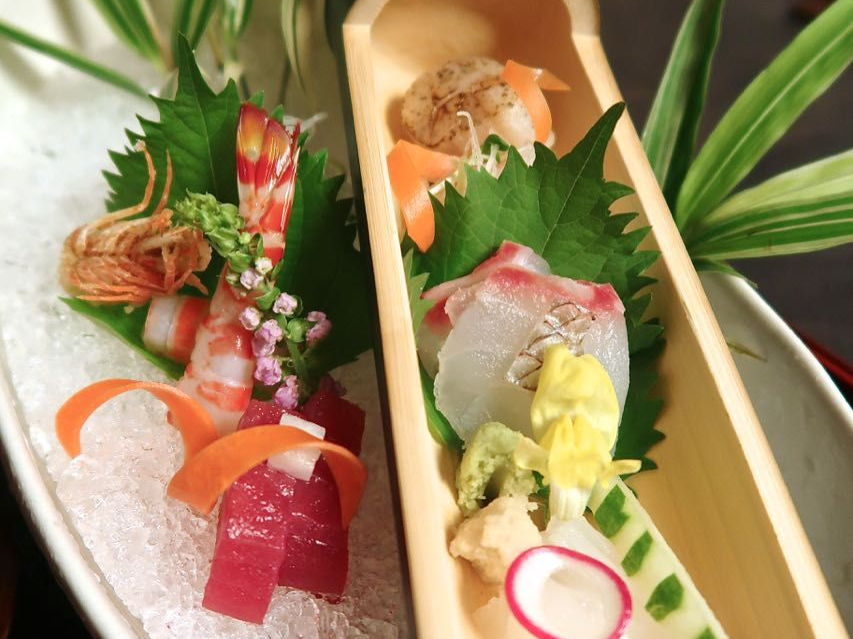
The progression moves across unlacquered cedar trays, pairing raw seasonal specimens with historic vessels. Autumn dishes present wild Tricholoma matsutake steamed in earthen pots with sea water and citrus juice, alongside line-caught sea bream sliced along natural muscle striations with single-bevel carbon steel knives. Within a private tea house closed to outside circulation, the service focuses on the thermodynamic pairing between food and material: Edo-period Urushi lacquerware, coarse unglazed Bizen stoneware, and Momoyama-era Oribe ceramics—a silent, calculated study in water chemistry, botanical seasonality, and Kyoto culinary geometry.
Location & Clearance
Gion Nanzen-ji Sub-Temple Enclave · Kyoto Historic District
Private Cha-Kaiseki Pavilion Clearance · Master Shokunin & Ceramic Historian Escort · Restricted Heritage Sukiya Access




Add This Experience to Your Journey
Tell us your dates and we'll weave this into your bespoke itinerary.